Do You Need Sunscreen Indoors? Understanding Blue Light and UV Protection
We talk a lot about sunscreen outdoors, but what about the hours you spend inside — at your desk, on your laptop, scrolling your phone? UVA rays slip through windows, blue light beams from every screen and your skin is quietly dealing with it all day long even without stepping outside.
Indoor exposure might not burn you, but it can still trigger pigmentation and premature ageing, which is exactly why so many people turn to tinted mineral sunscreens for everyday protection.
So, is daily SPF inside non-negotiable or totally unnecessary? Let’s break it down.

Does UV light reach you indoors?
Being indoors cuts down your UV exposure, but it doesn’t eliminate it. UVB rays, the ones responsible for burning, mostly stay outside.
The deeper-penetrating UVA rays, however, travel through standard windows and reach your skin. This kind of exposure adds up slowly, contributing to long-term damage like pigmentation and premature ageing even when you’re nowhere near the sun.
So, while indoor light might feel harmless, it still plays a role in how your skin ages over time.
Can UVA and UVB rays pass through windows?
UVB rays
Nearly all blocked by everyday window glass. This is why you won’t get sunburnt while spending time inside.
UVA rays
Not blocked. UVA rays can pass straight through regular windows and penetrate deeper into the skin. They’re weaker indoors, but still strong enough to contribute to wrinkles, texture changes and hyperpigmentation. If you sit near a window for hours a day, your skin is absolutely getting UVA exposure, even on cloudy days.


Common indoor UV exposure risks (windows, car glass, reflections)
Windows
Sitting near a bright window for hours — whether at home, in an office or a studio — increases UVA exposure noticeably. Even indirect light counts, because UVA rays scatter easily.
Car glass
Windscreens often filter UVA, but side windows don’t. Long commutes contribute to significant UVA damage on the side of the face closest to the window, as well as the arms and hands.
Reflected light
UV rays can reflect off nearby surfaces like pavement, sand, water, white walls and even your desk. You don’t need to be in direct sunlight to get exposure.
What about blue light? Can it damage your skin?
Blue light isn’t just from your phone — it’s in sunlight, indoor LEDs and every screen you use, creating a steady layer of exposure throughout the day.
While it doesn’t burn like UVB or travel as deeply as UVA, it can still contribute to pigmentation, oxidative stress and dullness.
What is blue light and where does it come from?
Blue light aka HEV light sits between visible light and UV on the spectrum. Sunlight delivers most of your exposure, while screens offer a small, but constant trickle throughout the day. Indoors or outdoors, your skin is seeing blue light almost nonstop.
Can screens (phones, laptops, TVs) cause premature ageing?
Screens alone won’t age your skin dramatically — they’re simply not strong enough. But they can worsen pigmentation in people prone to melasma, uneven tone or post-acne marks. If you’re in that category, long hours in front of bright screens may contribute to pigmentation over time.

Does mineral sunscreen protect against blue light?
Since sunlight delivers the overwhelming majority of blue light your skin encounters, mineral-based sunscreen can help with blue light — but the protection varies.
Mineral UV filter zinc oxide gives some defence, but it’s the iron oxides in tinted mineral sunscreen formulas that offer better protection.
Tinted mineral SPFs enhanced with antioxidants like resveratrol take things even further, because they help neutralise the oxidative stress blue light creates.
Should you apply sunscreen indoors?
Indoor sunscreen isn’t a strict rule, but it can make a difference depending on how much daylight and screen exposure you actually get, as well as your skin goals. Some environments act almost like outdoor spaces, while others barely expose your skin at all.
When indoor sunscreen use makes sense
If you work close to a window, sunscreen will help protect your skin from UVA that filters through glass all day.
For those dealing with melasma or stubborn pigmentation, tinted mineral-based SPF with iron oxides is especially helpful.
If you move between indoor and outdoor spaces often, keeping sunscreen on is simply easier.
When you might not need it
If your indoor space doesn’t have much natural light or is lit mainly by artificial lighting, you probably don’t need sunscreen indoors.
Being positioned away from windows or behind UV-filtering glass also limits UV exposure.
Plus, if you only use screens casually and don’t have pigmentation-prone skin, blue light from devices is unlikely to cause visible changes.
How to protect your skin from indoor light exposure
Indoor light may be gentler than direct sunlight, but it still interacts with your skin throughout the day. A few smart choices can make a noticeable difference, especially if you’re prone to pigmentation or spend long hours near windows and screens.

The best ingredients for blocking blue light (zinc oxide, iron oxides, antioxidants)
Zinc oxide, the main ingredient in zinc-based sunscreen, acts as your first line of defence indoors while iron oxides, the pigments found in tinted mineral sunscreens, take it further by helping to protect against melasma and stubborn pigmentation.
Potent antioxidants like resveratrol and vitamin C help round out your protection by neutralising the oxidative stress caused by both sunlight and screen light.
Alternatives to sunscreen. Can skincare help?
While skincare can’t replace your sunscreen, the right formulas make indoor exposure far less of a concern, especially on days when SPF doesn’t feel essential.
Antioxidant-packed serums are the real heroes here, helping guard against free radical damage caused by light from windows and screens. Hydrating and barrier-building formulas keep your skin strong and less reactive, which helps reduce the impact of everyday environmental stress.
So finally, do you really need sunscreen indoors?
Technically, you can skip wearing sunscreen indoors but in real life, it is the easiest and most reliable way to stay protected. The exposure adds up in tiny ways — a bright window, a quick walk outside, a midday errand you didn’t plan for.
Opting for a clean sunscreen and applying it in the morning keeps your skin protected no matter how your day unfolds, no overthinking required.
How to adjust your skincare routine based on your indoor exposure
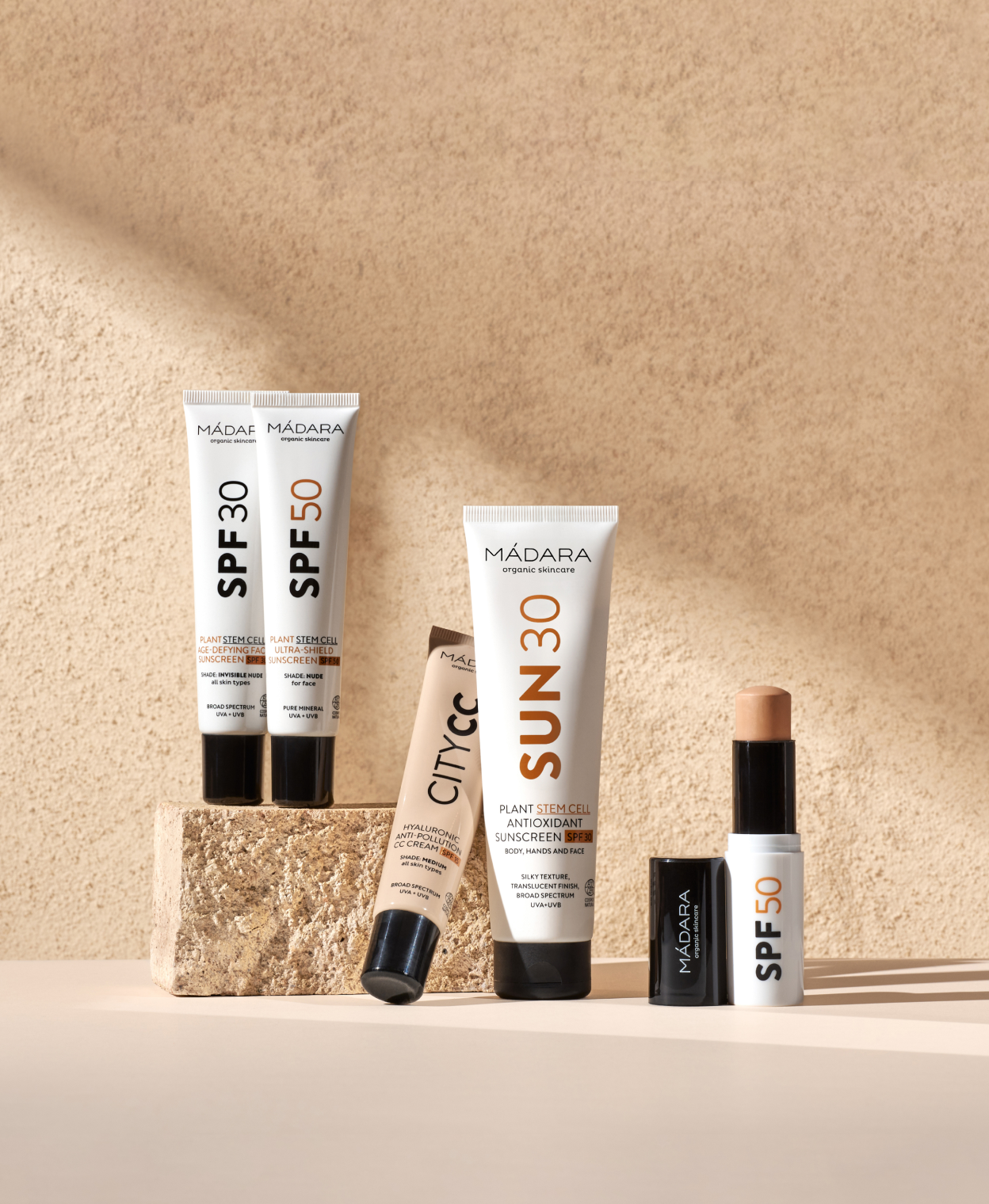
Sunlit environments call for tinted mineral sunscreens boosted by potent antioxidants. Plant Stem Cell Age-Defying Face Sunscreen SPF30 is perfect for this.
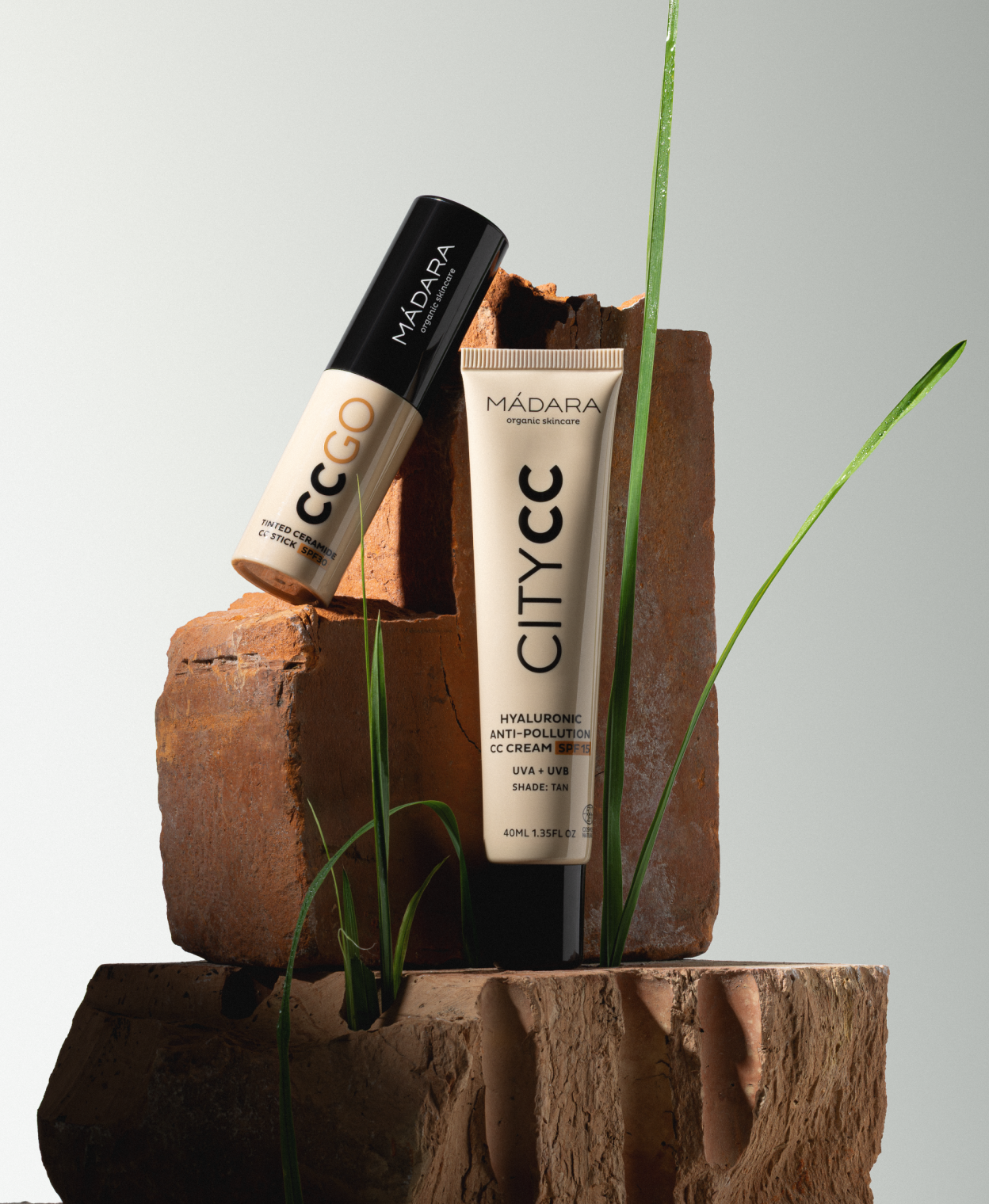
Spaces with lower or indirect light don’t always require full SPF, but wearing something sheer like City CC Hyaluron Anti-Pollution CC Cream SPF15 keeps you covered for those quick moments you step outside.
Pigmentation-prone skin will always do better with tinted mineral SPFs that contain iron oxides and antioxidant-rich ingredients such as resveratrol. Try Plant Stem Cell Ultra-Shield Sunscreen SPF50 that guards against the visible light responsible for uneven tone.
Anyone using strong actives like retinoids and acid should wearing SPF daily, even indoors, to avoid sensitivity or uneven tone.
You don’t need to obsess over indoor sunscreen, but wearing it daily is the simplest way to stay protected without constant decision-making. When in doubt, just put it on and move on with your day.