Mineral Sunscreens and Acne. Are They Really Better for Breakout-Prone Skin?
Breakouts don’t take days off, even when the sun is out. And if you’ve ever felt like sunscreen makes your skin rebel, you’re not imagining it. Some formulas play beautifully with acne-prone complexions, others… not so much.
Mineral SPFs (including tinted mineral sunscreens) are often positioned as the gentler choice, but are they actually better for acne-prone skin? Time to unpack the facts.

Can sunscreen cause acne? Understanding the connection
SPF is a non-negotiable, yet many people with acne-prone skin feel torn about using it because some formulas seem to invite new breakouts overnight. When your sunscreen is too rich, too occlusive or packed with comedogenic ingredients, it can trap heat, sweat and sebum on the surface, leading to clogged pores.
So while SPF itself isn’t the culprit, choosing the wrong formula can definitely trigger acne.
What is acne mechanica and how can sunscreen trigger it?
Acne mechanica happens when your skin experiences repeated rubbing or occlusion, leading to clogged pores and inflammation. Sunscreens with heavier textures can contribute by creating a film that traps sweat and heat, especially during sport or long days outdoors. The result is irritation-driven breakouts rather than classic acne.


Pore-clogging ingredients to avoid in sunscreen
If your skin is prone to congestion, it's worth paying attention to the ingredient list. Not all SPF ingredients are equally friendly to breakout-prone skin, for example, rich oils, butters and silicones can increase the chance of clogged pores.
Mineral-based sunscreen generally steers clear of these highly occlusive components, relying instead on zinc oxide and titanium dioxide to deliver protection without the extra weight.
Why mineral sunscreens are often recommended for acne-prone skin
Mineral-based SPF has earned a reputation for being the gentler choice — and for acne-prone skin, that matters.
Instead of absorbing UV rays through chemical reactions, non-irritating mineral filters like zinc oxide and titanium dioxide stay on the skin’s surface, reflecting the sun’s harmful rays like a mirror.
This means less chance of congestion, less irritation and a more predictable response on breakout-prone skin.

Do zinc oxide and titanium dioxide help with acne?
No, zinc oxide and titanium dioxide won’t clear your acne. What they will do is avoid making it worse. Zinc oxide has mild soothing properties, which can help reduce the look of irritation around active breakouts.
Both minerals are non-comedogenic, meaning they won’t add to pore congestion.
Are mineral sunscreens non-comedogenic?
Mineral UV filters themselves are non-comedogenic, which is why they’re often recommended for acne-prone skin. They sit on the surface rather than sinking in, which reduces the risk of congestion.
That said, the overall formula still matters. A mineral SPF can remain breakout-friendly only if it avoids heavy oils or occlusive additives that overwhelm acne-prone skin.
Do they reduce redness and inflammation?
Zinc oxide has a reputation for being gentle, so zinc-based sunscreen shouldn't add more irritation on top of what you already have — but it won’t actively reduce inflammation.
Choosing the right mineral sunscreen for acne-prone skin
Not all mineral sunscreens are created equal, and acne-prone skin notices the difference fast. A good mineral SPF should sit comfortably, not amplify oiliness and avoid aggravating congestion — while offering broad spectrum UVA/UVB protection.
What to look for in a formula
Look for a clean sunscreen that uses mineral UV filters and simply feels good on your skin. If it doesn’t slide around your face or leave a sticky sheen, it’s typically a nice match for acne-prone complexions.


Does mineral sunscreen clog pores? How to avoid breakouts
Mineral filters themselves don’t clog pores, but the formula around them still can. Breakouts usually come from supporting ingredients that are too rich or too occlusive for reactive skin. Avoid formulas that stay shiny hours later or feel like they never fully set.
The best application methods to prevent skin irritation
Put on sunscreen after your moisturiser has fully absorbed, spread it without pressing too hard and don’t rush the process. If you’re layering makeup, give the sunscreen a minute to dry so you’re not dragging it around your face.
How to apply and remove mineral sunscreen without irritating acne
With acne-prone skin, the way you put sunscreen on and take it off matters. Mineral formulas can cling a little more than chemical ones, so applying them calmly and removing them fully (without scrubbing) is key.

Should you double-cleanse to remove mineral sunscreen?
Mineral SPF can be stubborn, so yes, double-cleansing is strongly recommended.
Start with a gentle oil, balm or milk cleanser to dissolve the sunscreen, then follow with your regular cleanser to remove any remaining residue. It’s the easiest way to avoid buildup and keep your pores clear.
How to layer sunscreen with retinol, salicylic acid and other acne-fighting actives
If you use retinol, salicylic acid or other potent actives, the simplest approach is to keep them in your nighttime routine. These ingredients can make skin more sensitive, so saving them for the evening avoids unnecessary irritation during the day. Your morning routine should stay minimal — cleanse, moisturise, finish with mineral sunscreen on top.
Finally, is mineral sunscreen the best choice for acne-prone skin?
If you deal with breakouts, mineral sunscreen is generally the safer choice. While it won’t calm breakouts, it stays gentle, predictable and compatible with the stronger ingredients you might use at night.
Final tips for keeping your skin clear while staying sun-safe
Even oily and breakout-prone skin needs sunscreen that will ward off the damaging effects of sun exposure — so never skip your SPF.
Choose a formula your skin can genuinely tolerate every day and make sure to use it. Before you sleep, double-cleanse to lift away sunscreen and buildup. It’s these habits that support clearer, calmer skin.

Discover acne-friendly mineral sunscreens by MÁDARA
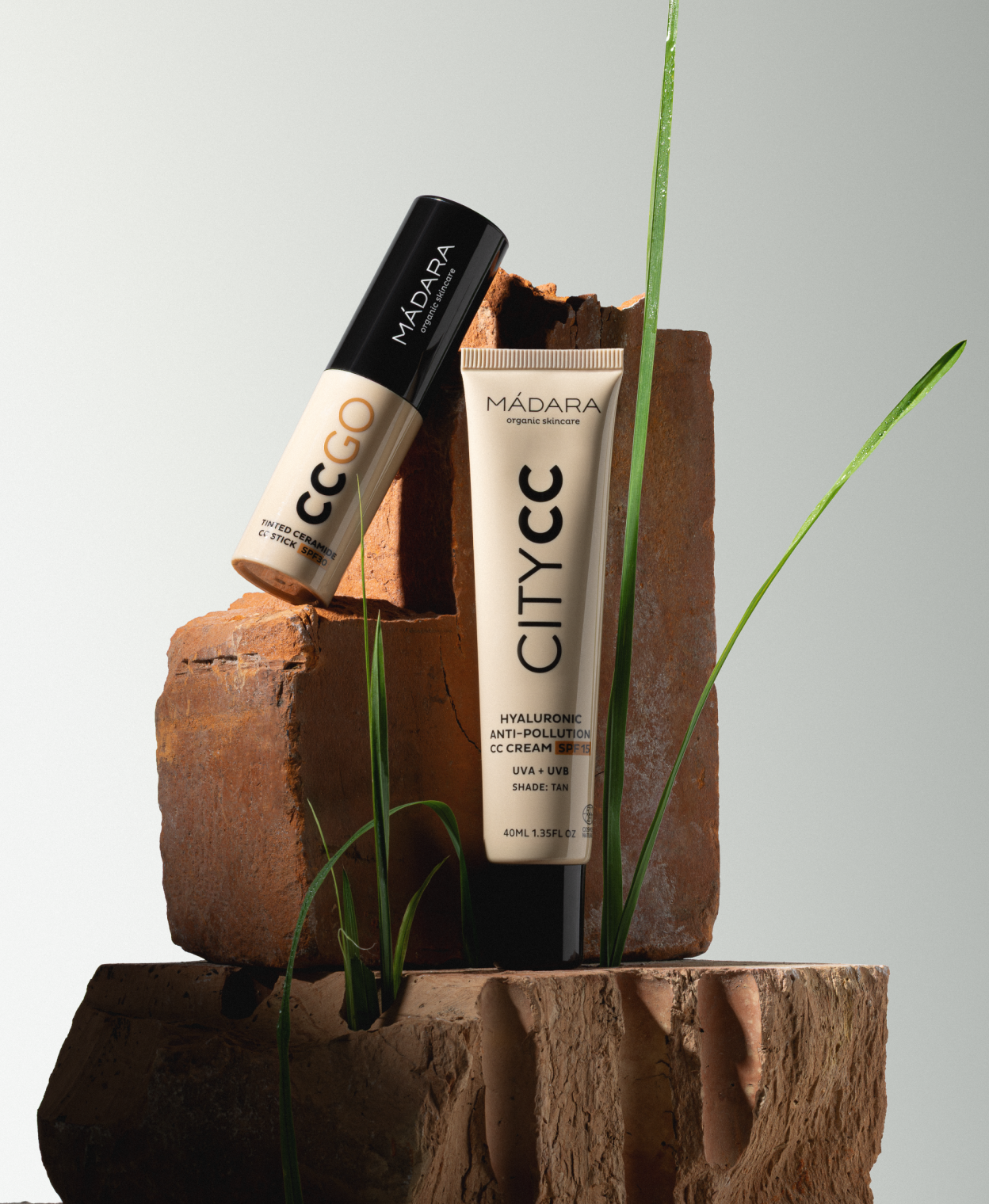
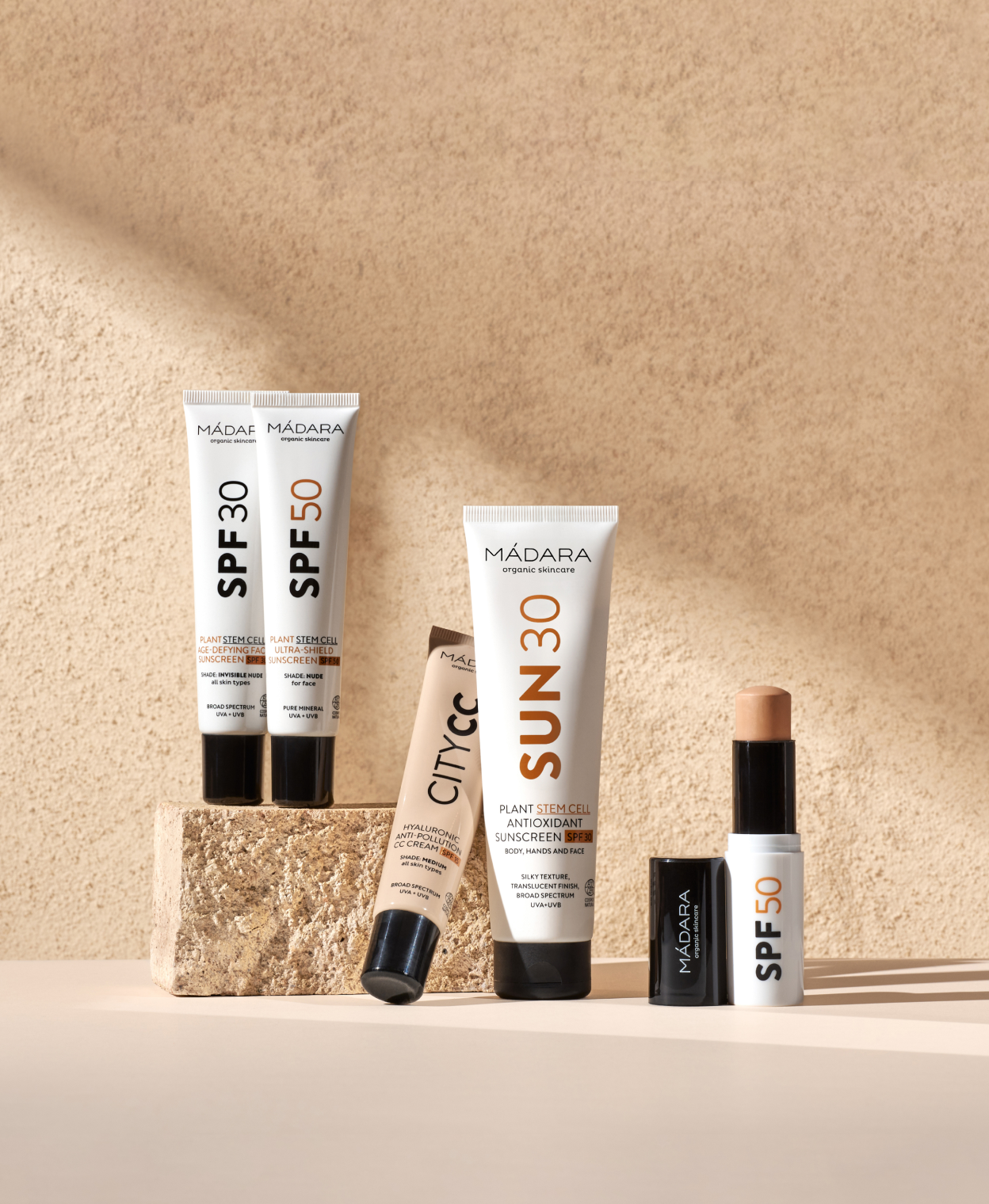
If you’re looking for mineral protection that won’t overwhelm breakout-prone skin, MÁDARA tinted mineral sunscreens are about to become your new favourites.
They’re natural certified, reef-safe and dermatologically tested, offering reliable broad-spectrum UVA/UVB protection with a sheer wash of tint that’s perfect for those no-make up make up days.