What's really in your sunscreen: chemical vs. mineral sunscreen ingredients
Sunscreen is non-negotiable, but the confusion around it is not.
From tinted mineral sunscreens to tough-to-pronounce chemical filters, choosing the right SPF can feel more complicated than it should.
To help you not to overthink your decision, here’s a straightforward guide to what’s inside your sunscreen and how to choose well.

Let’s start here: is sunscreen actually “bad”?
It’s easy to think that way when sunscreen is often discussed in extremes — good vs bad, safe vs unsafe, mineral vs chemical. But most modern SPFs are developed to meet strict safety standards while effectively protecting the skin.
What is true is that not all UV filters work the same way and not every formula will feel right for every skin type. However, skipping SPF altogether will always be the less skin-friendly choice.
Understanding sunscreen filters
At the simplest level, all sunscreens do the same thing — protect your skin from the harmful UV rays. The difference is in how they do it.
Every formula relies on UV filters aka the active ingredients that take on that job. These fall into two categories: chemical and mineral.


Chemical sunscreens, explained
If your sunscreen feels invisible, it’s likely a chemical formula. These filters absorb UV rays and convert them into heat, which is then released from the skin. This allows for that weightless, barely-there finish and is what makes them so popular and easy to wear.
Still, some chemical UV filters have come under scrutiny over time, raising questions around skin sensitivity and environmental impact. It’s not about avoiding everything, but about being a little more intentional with what you put on your skin.
Common chemical sunscreen filters
Chemical UV filters aren’t all created equal. Some have remained widely trusted, while others have raised more questions over time — from how they behave on the skin to their wider environmental impact — which is why you’ll see a shift away from certain ingredients in newer formulas.
Oxybenzone and similar filters
Oxybenzone is the one you’ve probably heard about.
You’ll see it less and less now, especially in the EU, but it kind of set the tone for people paying closer attention to what’s inside their SPF. Part of that comes down to concerns around its impact on marine ecosystems and potential hormone disruption.
A note on avobenzone and others
Then there are the filters that are still widely used, but come with a bit more nuance
Avobenzone, for example, is effective, but not on its own. It tends to break down in sunlight, so is almost always combined with other filters to keep things stable.
These kinds of sunscreen cocktails do their job, but for more sensitive skin, they can sometimes trigger reactions.
THE BLACKLIST
Be conscious of these potentially concerning ingredients found in chemical sunscreens
OXYBENZONE
- Now largely phased out
- Not reef-friendly
- Rare in modern EU formulas
- Concerns around hormone disruption
OCTINOXATE
- Still used, but declining
- Also not reef-safe
- Associated with hormone-disrupting potential
OCTOCRYLENE
- Still widely used
- May trigger photoallergic reactions
- Under increasing regulatory scrutiny
AVOBENZONE
- Very widely used
- Breaks down in sunlight if not stabilised
- Can generate free radicals
- Sometimes irritating
HOMOSALATE
- Still used
- EU has restricted concentrations
- Under review for hormone disruption
Mineral sunscreens, explained
After all that complexity, mineral-based sunscreens feel refreshingly simple.
Using naturally derived mineral filters, they form a protective layer on the skin’s surface, reflecting UV rays without the need for complex chemical transformations. This makes mineral-based SPFs especially well-suited to sensitive skin and everyday wear.


Zinc oxide and titanium dioxide
Mineral sunscreens really come down to these two ingredients.
Zinc oxide is the one you’ll see most often, known for offering broad-spectrum protection against both UVA and UVB rays, while titanium dioxide plays more of a supporting role.
These naturally white mineral filters are generally not considered sensitising, meaning they’re unlikely to trigger irritation or allergic reactions.
In tinted mineral sunscreens, pigments are added to offset the natural white cast created by zinc oxide and titanium dioxide, thus offering both protection and a naturally refined finish.
Is zinc oxide safe?
Yep, it's one of the most well-tolerated and skin-friendly UV filters out there, doing its job without causing issues for more reactive complexions. Which, honestly, is exactly what you want from your clean sunscreen.
What’s the safest sunscreen? Here’s how to choose
The safest sunscreen isn’t the one with the most perfect ingredient list — but there are definitely smarter choices.
If your skin gets reactive, overwhelmed or just a bit unpredictable, zinc-based sunscreen tends to be the easier option.
Chemical SPFs can feel nicer and look invisible, but with multiple filters layered together, they might act a little temperamental once they’re on your skin.
The sunscreen you wear consistently will always win. Because here’s the part no one really argues with — unprotected sun exposure adds up fast, and your skin keeps track. Skipping SPF does more damage than any ingredient debate ever will.
Why tinted mineral sunscreen just makes sense
Once you understand the difference between filters, the next step is choosing SPF that effortlessly fits into your routine.
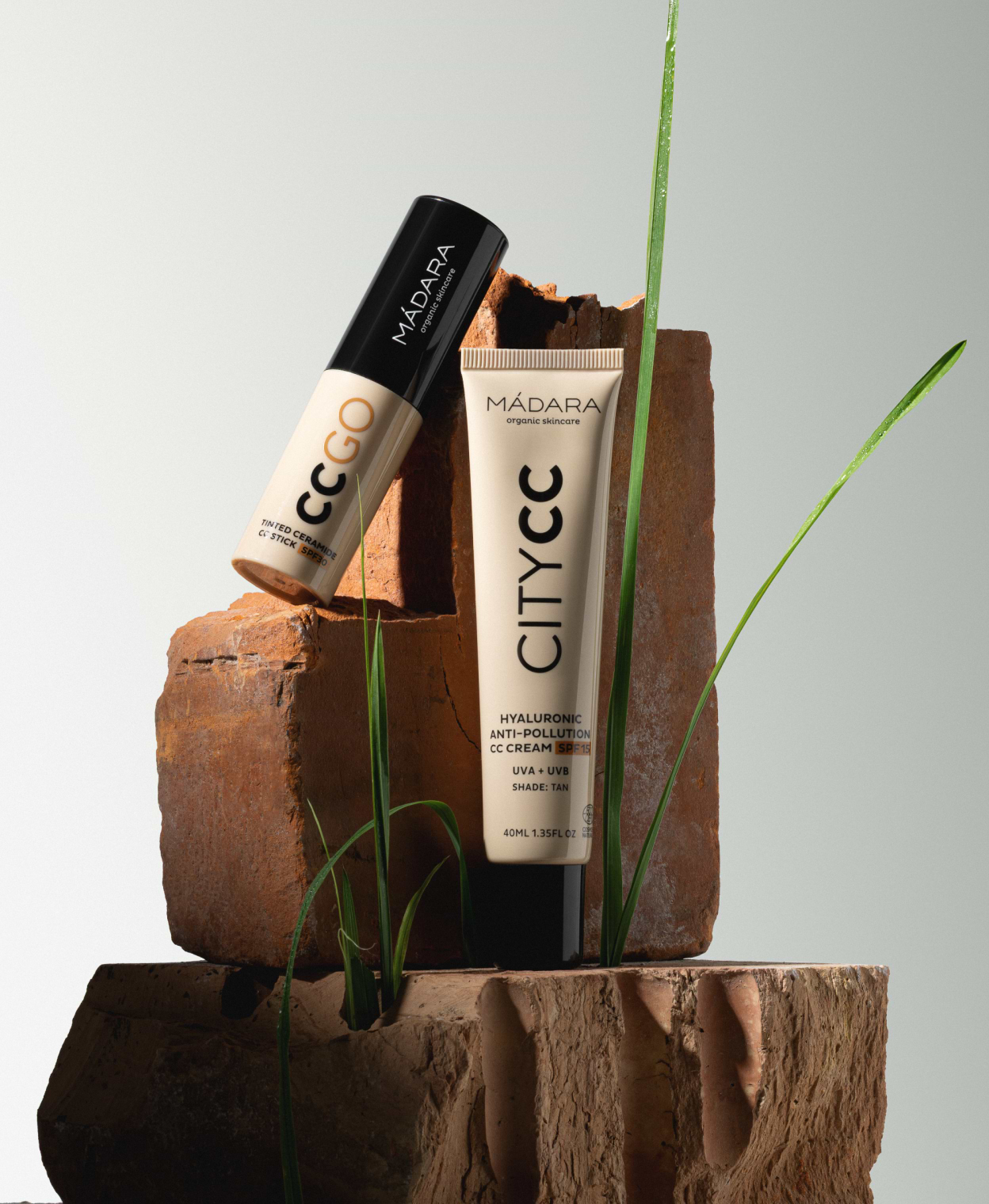
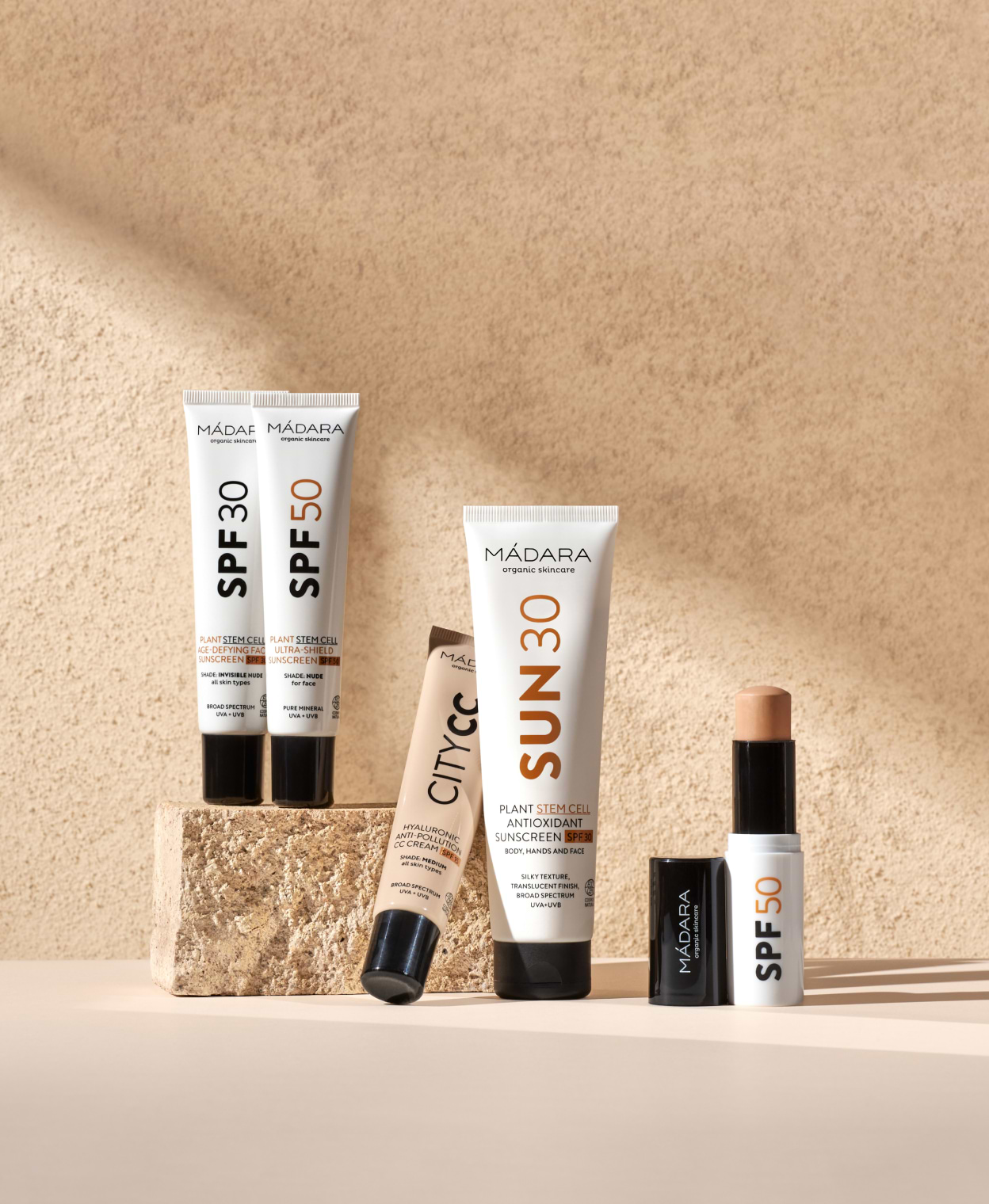
That’s where MÁDARA tinted mineral sunscreens come in. They give you broad spectrum protection, a hint of coverage that still looks natural and the comfort of knowing what you’re putting on your skin is actually good for you.
Okay, so now you’re among those who know what's what in the world of sunscreen. Now choose your SPF and stick to it.