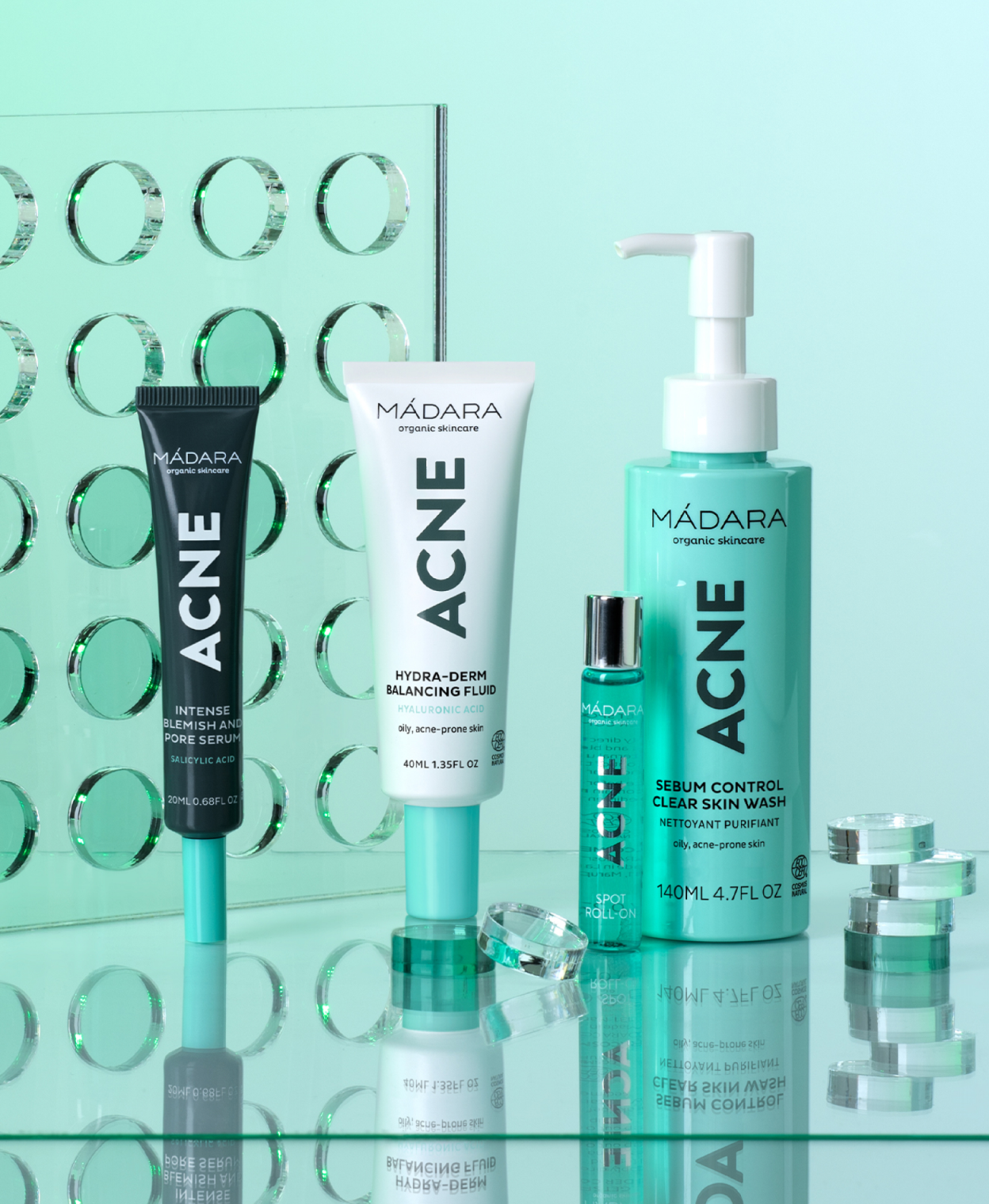
Clear, balanced skin starts here. Meet the new generation of acne skincare products - designed to improve the appearance of acne-prone and blemish-prone skin without harshness. They target excess oil, impurities and breakouts while maintaining hydration and comfort.
As part of a complete teenage skincare ritual, or simply as everyday skincare for teens, these formulations provide visible results that support clearer, more even skin.
Gentle yet effective, they’re perfectly suited for teen skincare, guiding young complexions through change, as well as adults navigating blemishes and excess oil.
Filter
Sun- weary hair?
Try SILK — for softer and stronger hair after summer.
What causes acne, and can skincare alone clear it?
Acne happens when excess oil, bacteria and dead skin cells clog your pores — hormones, stress, and diet can make it worse. While a good skincare routine helps balance and calm the skin, it can’t always clear acne completely on its own.
Focus on gentle cleansing, lightweight hydration and barrier repair instead of over-drying treatments and comedogenic formulas. This can help reduce and manage unwanted breakouts, blemishes and inflammation.
For stubborn acne, pair your skincare routine with dermatologist guidance for smoother, calmer skin.
What are the different types of acne?
Acne comes in different forms — from small surface bumps to deeper, inflamed breakouts. Blackheads and whiteheads are the mildest, formed when pores get blocked with oil and dead skin.
Papules and pustules are inflamed, red blemishes, while nodules and cystic acne run deeper beneath the skin. They are often painful and harder to treat, requiring guidance from dermatologists.
Identifying your acne type helps tailor your routine — gentle cleansers, targeted serums and lightweight moisturisers can restore calm, clarity and balance to your skin.
What is the best routine for acne‑prone skin?
A great skincare routine for acne-prone skin focuses on balance, not aggression. Use a gentle cleanser twice a day, followed by a concentrated treatment that targets blemishes and spots without drying your complexion. Lock in moisture with a breathable (and non-comedogenic) moisturiser, and never skip sunscreen — because even acne-prone skin needs daily protection from the sun’s harmful rays.
At night, focus on soothing inflammation, supporting the barrier and letting your skin repair itself.
Consistency, not intensity, is what helps keep your blemishes under control.
Which natural ingredients actually help with acne?
The most effective natural ingredients for acne are those that purify, calm, and balance — and they form the backbone of our spot-fighting formulations. Tea tree oil helps to purify the skin, while extracts of juniper stem cells and moss work to calm inflammation. Zinc PCA helps regulate oil production, and salicylic acid gently unclogs pores. Mate leaf extract and lichen add antioxidant protection to keep future breakouts at bay.
Together, these ingredients work to clear your complexion, strengthens the barrier and restores its natural clarity — without harsh drying.
Do moisturiser and SPF make acne worse or better?
Moisturiser and SPF can actually make acne better — not worse — when you choose the right formulas.
Acne-prone skin still needs moisture to stay balanced and prevent the overproduction of oil that leads to breakouts, so reach for a light, non-comedogenic moisturiser that strengthens your barrier.
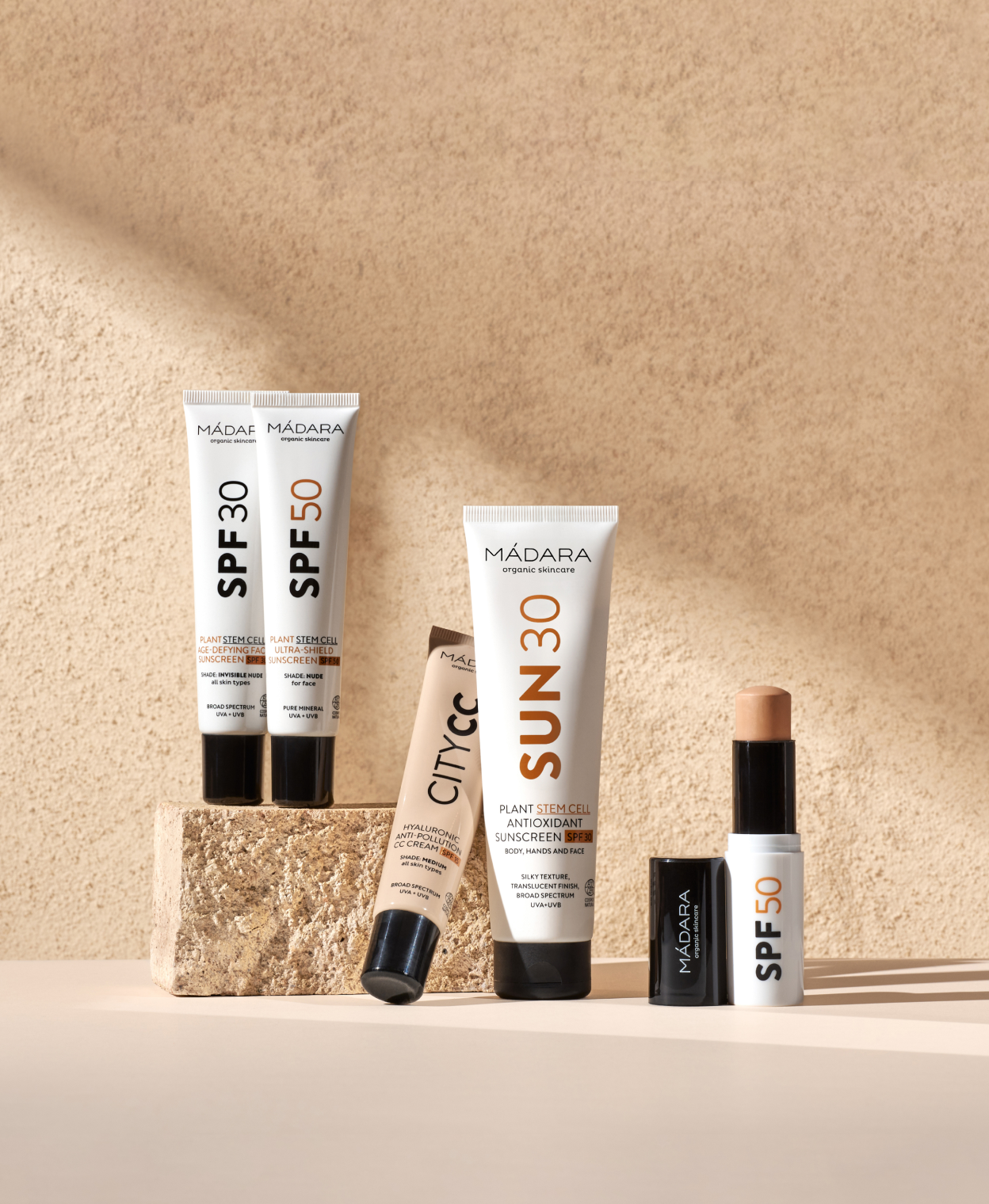
On the other hand, a mineral sunscreen protects the complexion from UV damage that can darken acne scars. Hydrated, protected skin is resilient skin, and that’s what helps to reduce acne in the long run.
Is hyaluronic acid good for acne?
Hyaluronic acid is a hydration hero, even for acne-prone skin. While it doesn't target breakouts directly, hyaluronic acid restores hydration and strengthens the skin barrier, reducing dryness and loss of moisture, which can be caused by harsh acne-fighting formulas. When your barrier is strong and hydrated, it’s less likely to overproduce oil — meaning fewer breakouts long term.
Hyaluronic acid is lightweight, non-comedogenic and pulls moisture deep into the skin without clogging pores.
Used daily under your moisturiser, it keeps your complexion hydrated, plump and balanced — exactly what stressed, breakout-prone skin needs.